Overview
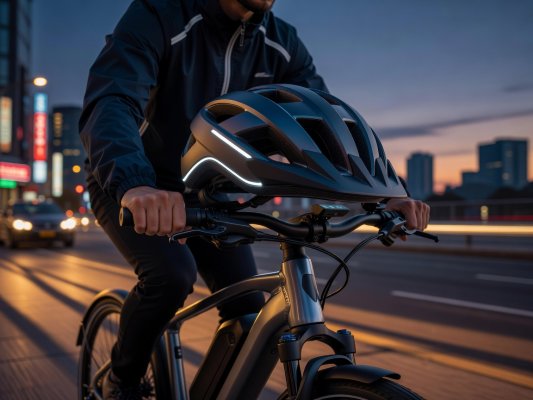
A cycling helmet is a foundational piece of equipment designed to offer head protection in the event of an unexpected fall or collision. For everyday cyclists commuting through urban environments or taking leisurely rides across varying terrains, selecting a suitable helmet goes beyond mere compliance; it involves finding an optimal balance between comfort, adequate ventilation, and robust construction. The contemporary urban helmet often incorporates improved impact-absorbing materials encased in durable outer shells, ensuring the structural integrity is maintained without adding excessive weight. While it is important to recognize that no helmet can guarantee complete prevention of injury under all circumstances, integrating a well-fitted helmet into your regular riding routine provides a sensible layer of personal protection, allowing you to focus on navigating your route confidently.
Key Considerations
Protective Construction
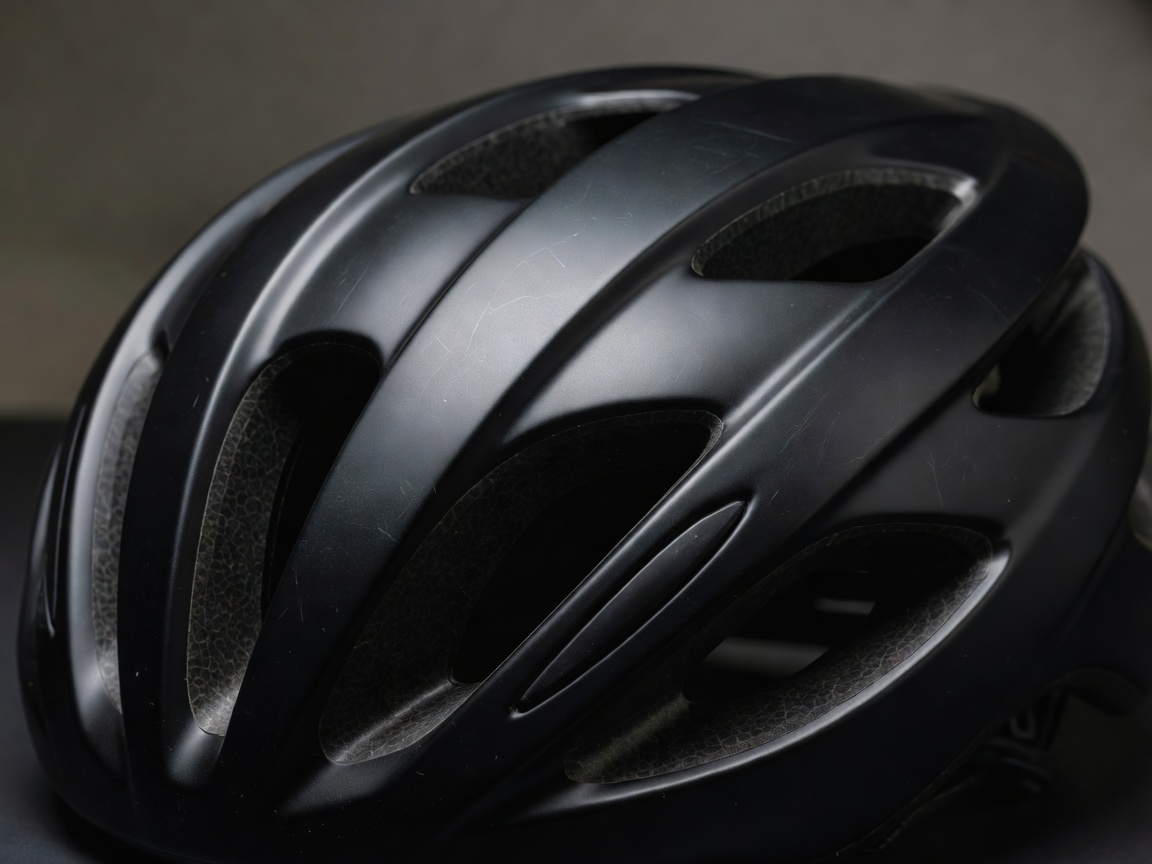
The primary function relies on an energy-absorbing inner core, typically constructed from expanded polystyrene, paired with a tough outer shell. This layered construction is intended to manage and distribute impact forces, preserving the helmet's structural integrity during everyday use and minor knocks.
Fit and Adjustment
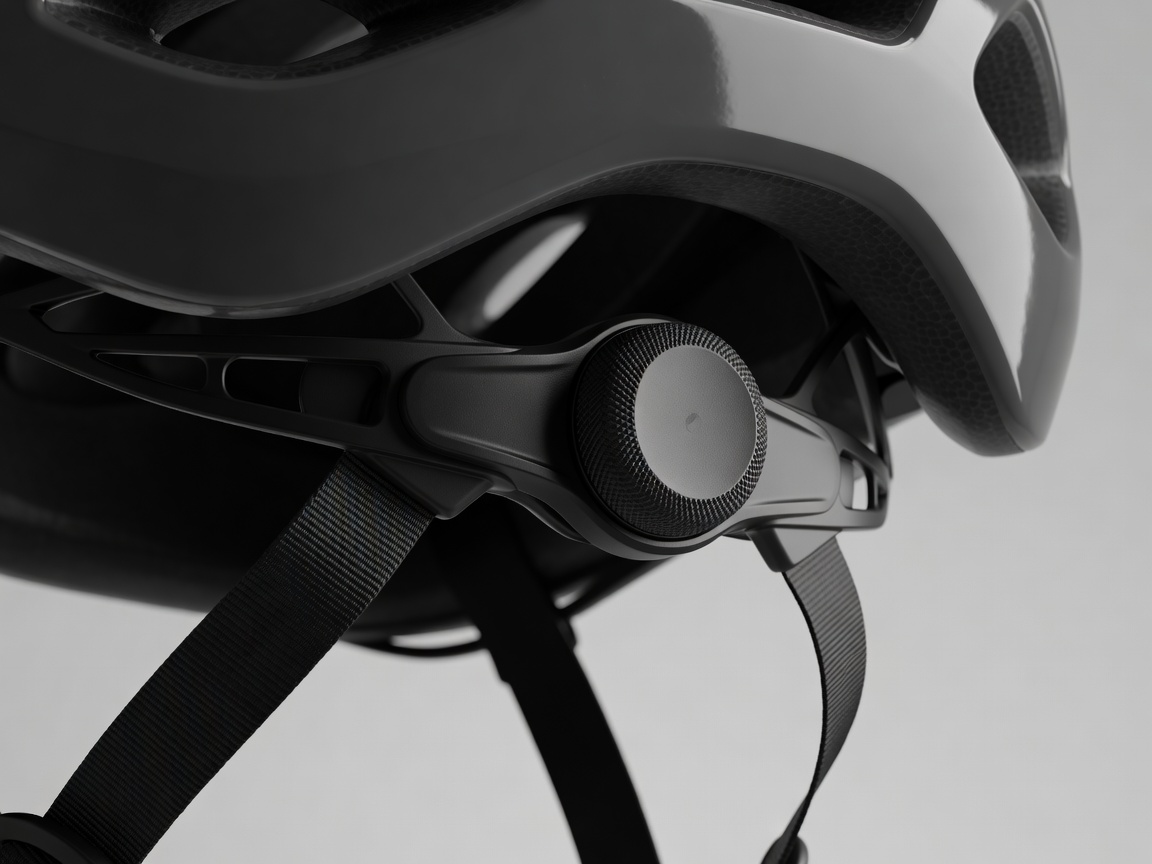
A helmet must sit securely on the head to function as intended. Modern designs incorporate adjustable retention systems, often utilizing a rear dial mechanism, which allows riders to fine-tune the fit around the circumference of their head, ensuring stability without causing discomfort.
Ventilation Features
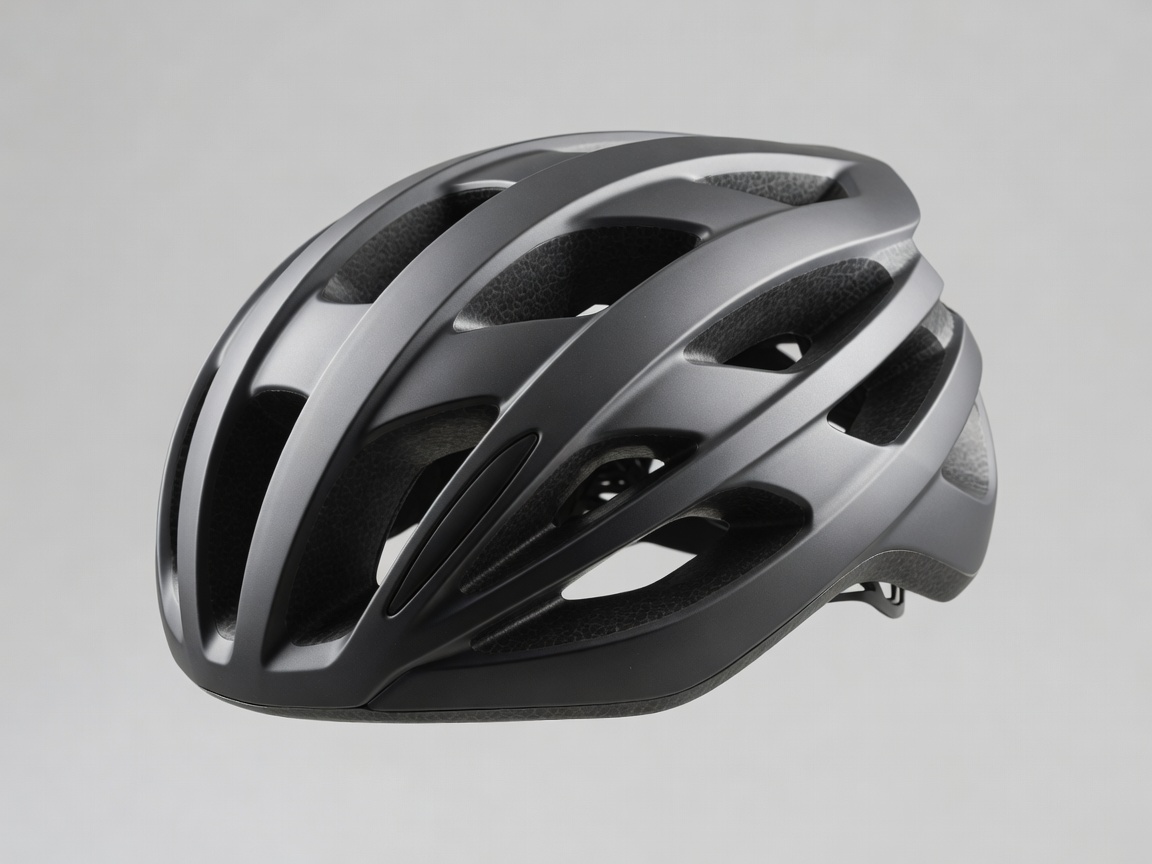
Consistent airflow is critical, especially during warmer months or intensive rides. Well-designed ventilation channels draw cool air across the scalp while expelling warm air from the rear, helping to regulate temperature and maintain rider comfort during extended journeys.
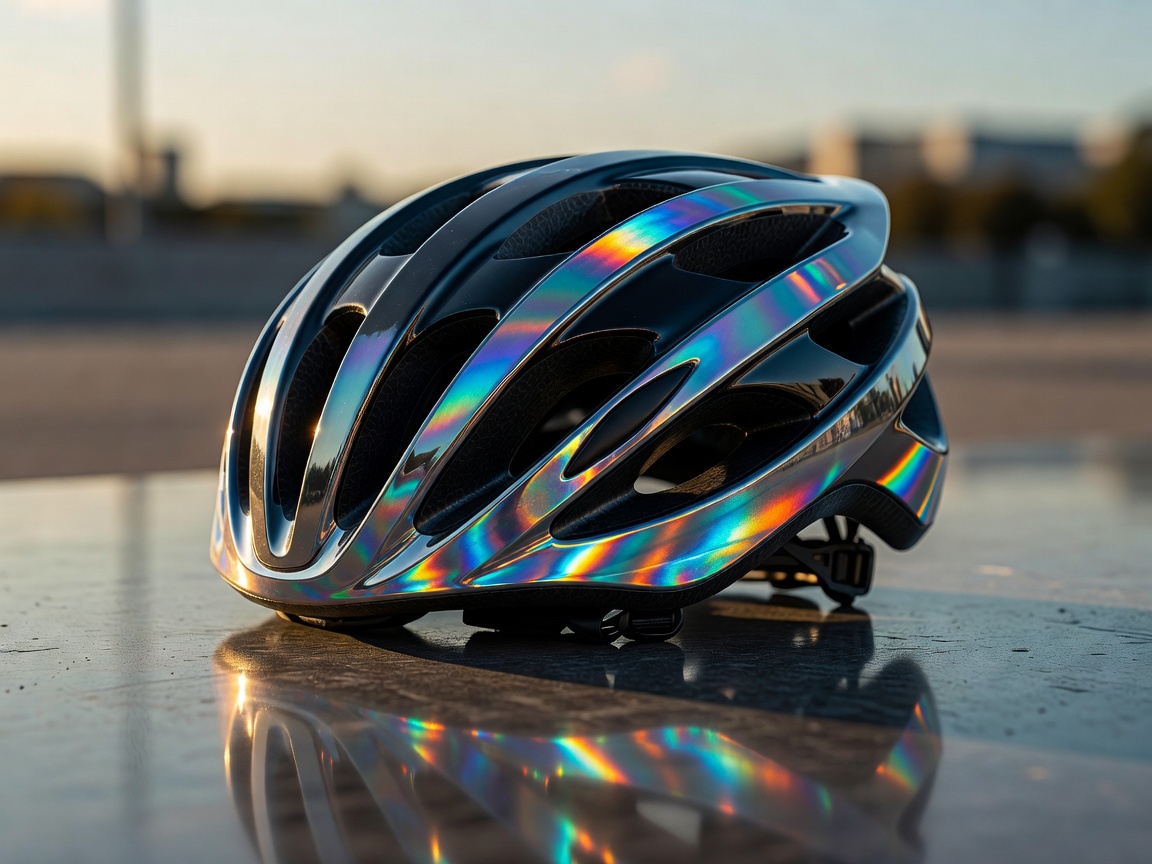
Visibility Enhancements
Many urban helmets include integrated reflective accents or dedicated mounting points for small auxiliary lights. These additions enhance the rider's overall profile in low-light conditions, providing an extra visual cue to other road users sharing the urban environment.
Practical Use
When preparing for daily commutes or weekend excursions on an electric bicycle, a helmet should be considered a standard part of your setup. Storing the helmet near your lock and keys helps establish a consistent habit. Riders often appreciate helmets with a slightly more subdued, urban aesthetic that blends seamlessly with everyday clothing, rather than the heavily vented, aggressive styling of purely competitive racing gear. Ensuring the straps remain adjusted correctly—snug under the chin but allowing enough room to open the mouth—will maximize comfort throughout the journey.
What to Look For
- Certification Standards: Ensure the helmet meets recognized national or international safety standards for bicycling.
- Weight: A lighter helmet reduces neck fatigue during longer rides or daily commutes.
- Padding: Removable, washable interior padding helps maintain hygiene over months of regular use.
- Profile: Consider helmets with slightly extended rear coverage for a more protective fit around the base of the skull.
Related Equipment
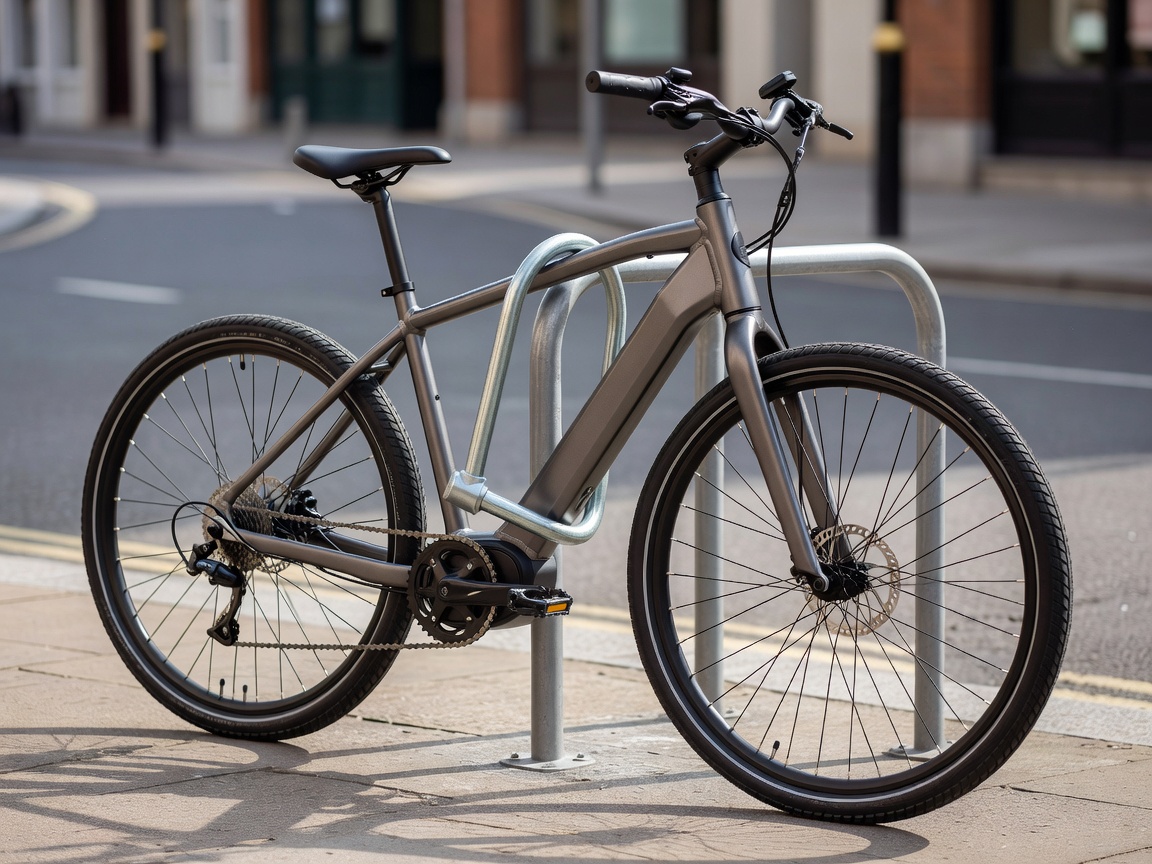
Locks
Security-focused bicycle accessories designed to provide robust defense when parking in urban environments.
View Accessory →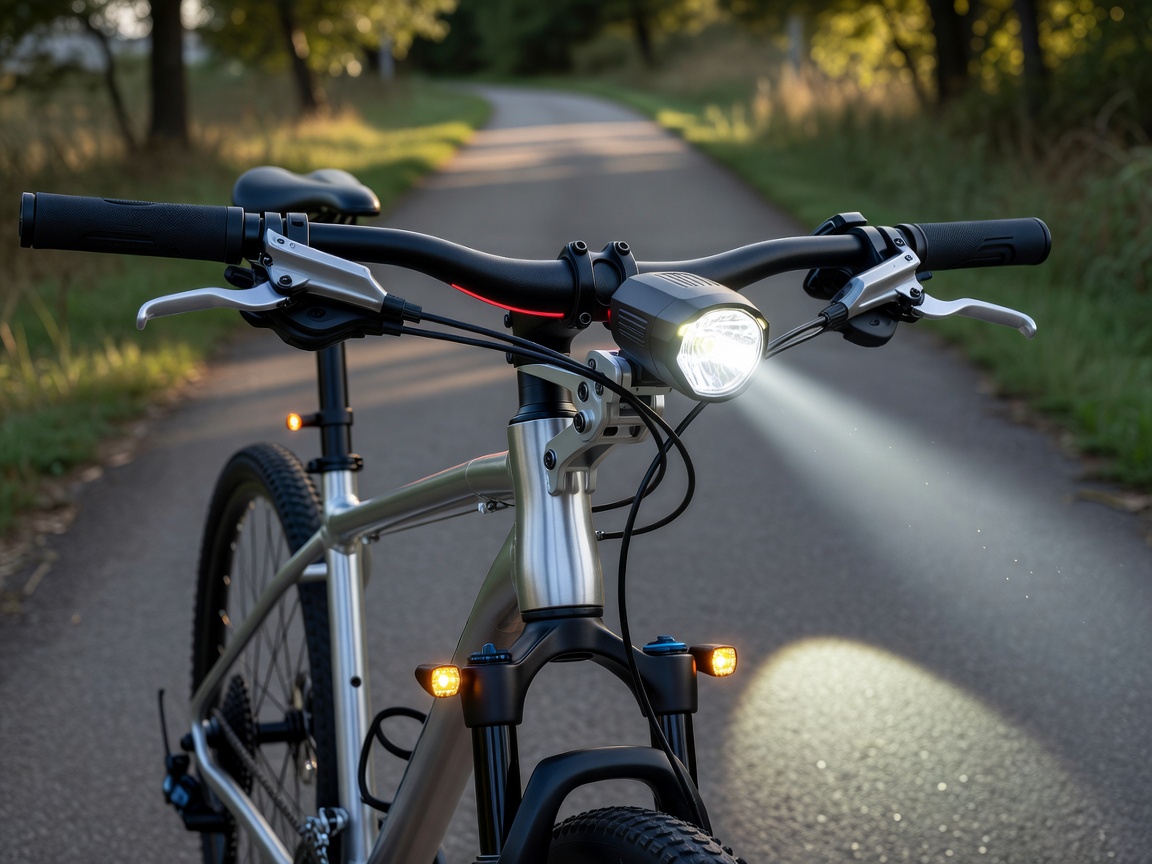
Lights
Reliable visibility equipment, ensuring you can see the road clearly and remain visible in varied lighting conditions.
View Accessory →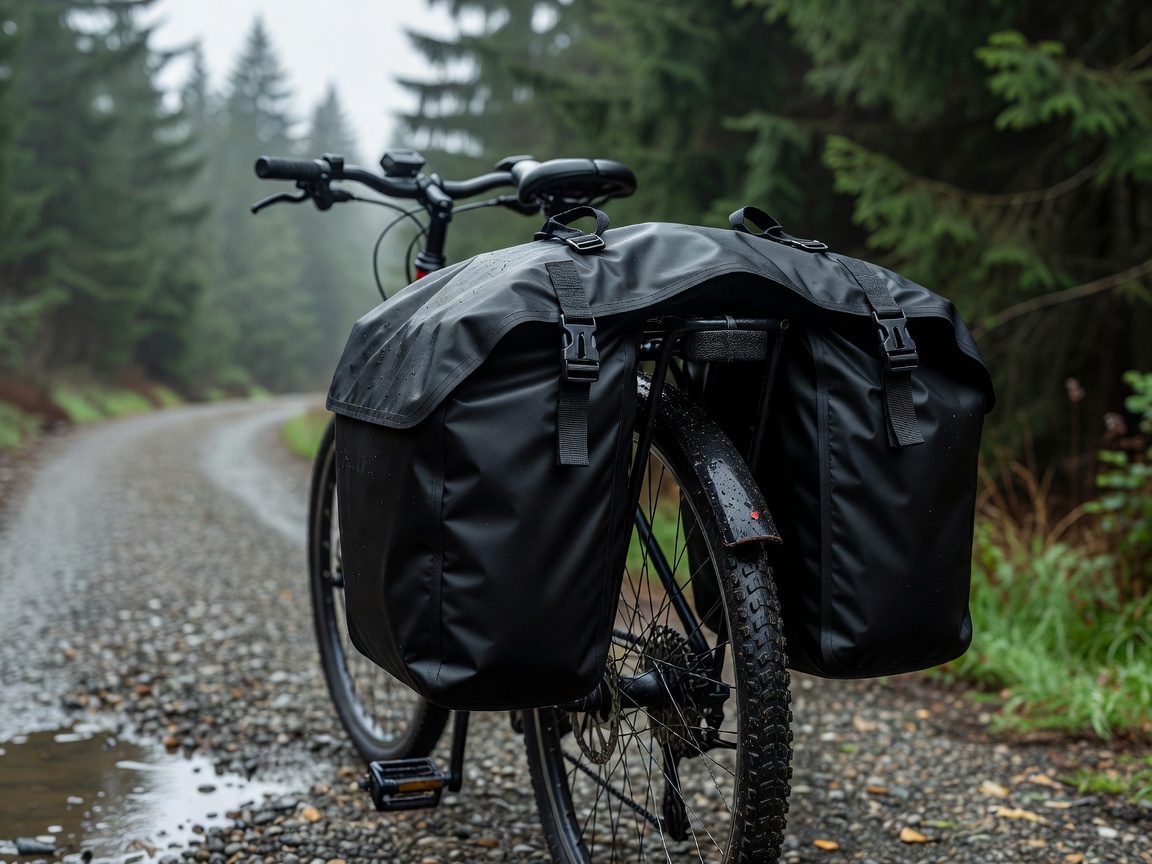
Panniers & Bags
Practical carrying solutions that remove weight from the rider, ideal for groceries, laptops, and spare clothing.
View Accessory →Need More Information?
Have a question about equipment or building a practical cycling setup? Send us an enquiry.
Send Enquiry →